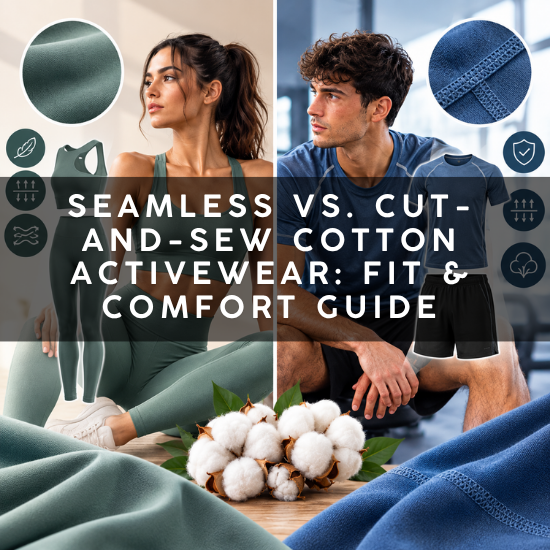
Choosing the right garment construction method is crucial for apparel brands. It impacts the design, comfort, and cost of your products. Two popular methods are seamless knitting and cut-and-sew. Each offers unique benefits and challenges.
Seamless knitting eliminates seams, creating a smooth, flexible garment. It’s ideal for activewear and undergarments. This method can reduce waste and production time, making it appealing for sustainable fashion.
Cut-and-sew involves cutting fabric pieces and sewing them together. This traditional method allows for intricate designs and fabric manipulation. It’s perfect for structured garments like jackets and suits.
Understanding these methods helps brands make informed decisions. The right choice depends on your brand’s needs and goals.
Understanding Garment Construction: The Basics
Garment construction plays a critical role in apparel design and production. It determines how a piece of clothing feels and looks. Knowing the basics can greatly influence your choice of method.
There are various ways to create garments, each with distinct characteristics. Some focus on reducing waste, while others prioritize versatility in fabric use. Design freedom and garment fit are also critical considerations.
Here’s a brief overview of common construction methods:
- Seamless Knitting: Involves advanced knitting techniques to create garments without seams.
- Cut-and-Sew: Requires cutting fabric patterns and sewing them together.
- Draping: Involves arranging fabric on a dress form to create garment shapes.
Understanding these methods aids in making the best decision for your brand.
What is Cut-and-Sew?
Cut-and-sew is a staple in garment construction. It involves cutting fabric into pieces based on a pattern, then sewing them together. This method offers immense flexibility in apparel design.
Fashion designers have favored cut-and-sew for centuries. It allows for intricate fabric manipulation and diverse sewing styles. This traditional method remains popular due to its adaptability.
The technique is ideal for creating structured garments. Jackets, tailored suits, and other precise fits benefit from this detailed construction process. Designers can achieve complex designs by choosing various fabrics and patterns.
Key benefits of cut-and-sew include:
- Design versatility and creativity
- Wide variety of fabric choices
- Ability to adjust sizes for different body shapes
Despite being labor-intensive, cut-and-sew enables high customization. Designers can experiment with patterns and textures for unique results. This versatility makes the method a valuable asset in textile production.
What is Seamless Knitting?
Seamless knitting is a modern marvel in garment construction. It involves creating garments without visible seams, using advanced machinery. This method is revolutionizing how we produce clothes today.
One of its main attractions is comfort. The absence of seams reduces friction, making garments like activewear and undergarments more comfortable. This technique is ideal for producing form-fitting garments that hug the body smoothly.
Seamless knitting also enhances efficiency by minimizing material waste. Fewer textile scraps mean more sustainable production. Additionally, this process can significantly reduce production time.
Key benefits of seamless knitting include:
- Comfortable, form-fitting garments
- Reduced material waste and production time
- Enhanced durability with fewer weak points
Seamless knitting continues to evolve with technology. New knitting methods and machines offer even more opportunities in garment construction. This makes seamless knitting a forward-thinking choice for innovative apparel brands.

Key Differences: Seamless Knitting vs. Cut-and-Sew
Seamless knitting and cut-and-sew are distinct techniques in garment construction. Each offers unique advantages, shaping apparel design in different ways. Understanding their differences can guide your choice.
Seamless knitting eliminates seams, creating a smooth finish. This results in more comfortable garments with fewer pressure points. It’s perfect for activewear due to its form-fitting nature and flexibility.
In contrast, cut-and-sew involves cutting fabric pieces and stitching them together. This method allows for more intricate fabric manipulation and diverse sewing styles. The versatility accommodates a range of design ideas and complex patterns.
Key differences between the two methods include:
- Comfort and fit versus design flexibility
- Seamless finish versus possible design intricacy
- Efficiency in seamless knitting versus versatility in cut-and-sew
Seamless knitting often means using advanced technology, while cut-and-sew relies on craftsmanship. Each has its place, depending on the desired garment style. Choosing between them influences your brand’s garment structure and final appearance.

Pros and Cons of Each Method
Both seamless knitting and cut-and-sew have distinct benefits. They also present certain drawbacks. Evaluating their pros and cons helps in making an informed choice for your apparel brand.
Seamless Knitting Pros:
- Enhanced comfort and fit
- Reduced material waste
- Faster production time
Seamless Knitting Cons:
- Limited design flexibility
- Higher initial machinery cost
- Restricted fabric choices
Seamless knitting is popular for eco-friendly production. It offers efficiency with fewer weak points in garments. However, seamless knitting can be less adaptable to changing trends due to the machinery involved.
Cut-and-Sew Pros:
- Greater design versatility
- Allows for detailed fabric manipulation
- Easier post-production alterations
Cut-and-Sew Cons:
- More material waste
- Longer production time
- Labor-intensive
Cut-and-sew techniques suit traditional and structured garments. Their adaptability makes them a staple in high fashion. Conversely, the process is more wasteful and labor-heavy, impacting time and resources. Understanding these facets ensures that you can select the ideal method tailored to your brand’s needs.
Choosing the Right Method for Your Apparel Brand
Deciding between seamless knitting and cut-and-sew largely depends on your brand’s goals and customer base. Consider the type of garments you aim to produce and the fabric manipulation involved.
Evaluate your target market’s preferences. Seamless knitting might appeal to those seeking comfort and minimalism, like activewear users. Meanwhile, cut-and-sew can suit fashion-conscious consumers who value intricate styles and structure.
Your production scale is also vital. If you plan for mass production, seamless knitting can minimize waste and time. But, smaller or custom operations might benefit from the flexibility and adaptability of cut-and-sew methods.
Consider the following when choosing a method:
- Type of garment (e.g., form-fitting vs. structured)
- Production scale (e.g., large-scale vs. bespoke)
- Design complexity (e.g., minimalist vs. intricate)

Each brand is unique, so aligning your choice with your brand’s identity ensures the best outcome.
Sustainability and Efficiency in Textile Production
Sustainability is increasingly important in today’s textile production landscape. Both seamless knitting and cut-and-sew offer unique advantages for eco-friendly practices. Understanding how each method impacts sustainability is vital.
Seamless knitting, for example, tends to generate less fabric waste. It uses precise knitting techniques and can produce components (or complete garments) closer to final shape, which typically means fewer offcuts and less post-processing waste than cutting panels from yardage.
Cut-and-sew, in contrast, can support circular design strategies because it often works well with heterogeneous fabric inputs. From an operational standpoint, the method can be compatible with upcycling, where recovered textiles, deadstock rolls, or reclaimed garments are deconstructed and recomposed into new silhouettes through patterning and sewing styles.
From a resource-efficiency perspective, both garment construction pathways can be engineered to reduce material usage, but they do so differently. Seamless knitting may improve efficiency through optimized stitch mapping and localized reinforcement that reduces the need for additional layers, while cut-and-sew can improve efficiency through marker optimization, smart pattern grading, and deliberate fabric manipulation that extracts maximum yield from available material.
Choosing the right method can support your brand’s commitment to sustainability while maintaining efficiency.
FAQ: Seamless Knitting vs. Cut-and-Sew
Is seamless knitting always more sustainable than cut-and-sew?
Not necessarily. Seamless knitting can reduce fabric waste by minimizing cutting, but sustainability outcomes depend on yarn selection, energy mix, product durability, and end-of-life strategy. Cut-and-sew can perform well when paired with upcycling programs, recycled textiles, and high-yield marker planning.
Which method is better for complex apparel design details?
Cut-and-sew typically offers greater freedom for complex silhouettes, mixed materials, and structured elements because garment construction is modular. Seamless knitting excels when the design intent aligns with engineered knit zones, stretch mapping, and reduced seams.
How do knitting techniques influence fit and performance?
In seamless knitting, knitting methods such as variable stitch density, rib structures, and body-mapped compression can directly shape fit and functional performance. These fabric manipulation capabilities are embedded into the textile itself rather than added via assembly.
What should brands consider for scaling textile production?
Seamless knitting may scale efficiently once machine programming, yarn sourcing, and quality standards are stabilized, but it requires upfront investment and specialized expertise. Cut-and-sew is widely accessible with established supplier networks, though labor intensity and lead times can increase with complexity.
Final Thoughts: Making the Best Choice for Your Brand
Selecting between seamless knitting and cut-and-sew depends on several factors. Consider your brand’s unique needs and the type of garments you aim to produce.
Evaluate the design flexibility, production cost, and sustainability of each method. Thoughtfully weighing these factors will guide you to the most suitable garment construction method for your apparel brand.