Cotton Activewear: Sustainable and Breathable Choice
Cotton activewear is gaining attention because it speaks to two priorities at once: comfort during movement and a lower-impact approach to everyday clothing. For shoppers in the United States, the best pieces balance breathable activewear performance with softness, durability, and transparency about where materials come from. This guide explains the cotton activewear benefits that matter most, how organic cotton compares with synthetic workout fabrics, and what U.S. brands should consider when sourcing, manufacturing, and shipping garments.
Why is cotton activewear a smart choice for workouts?
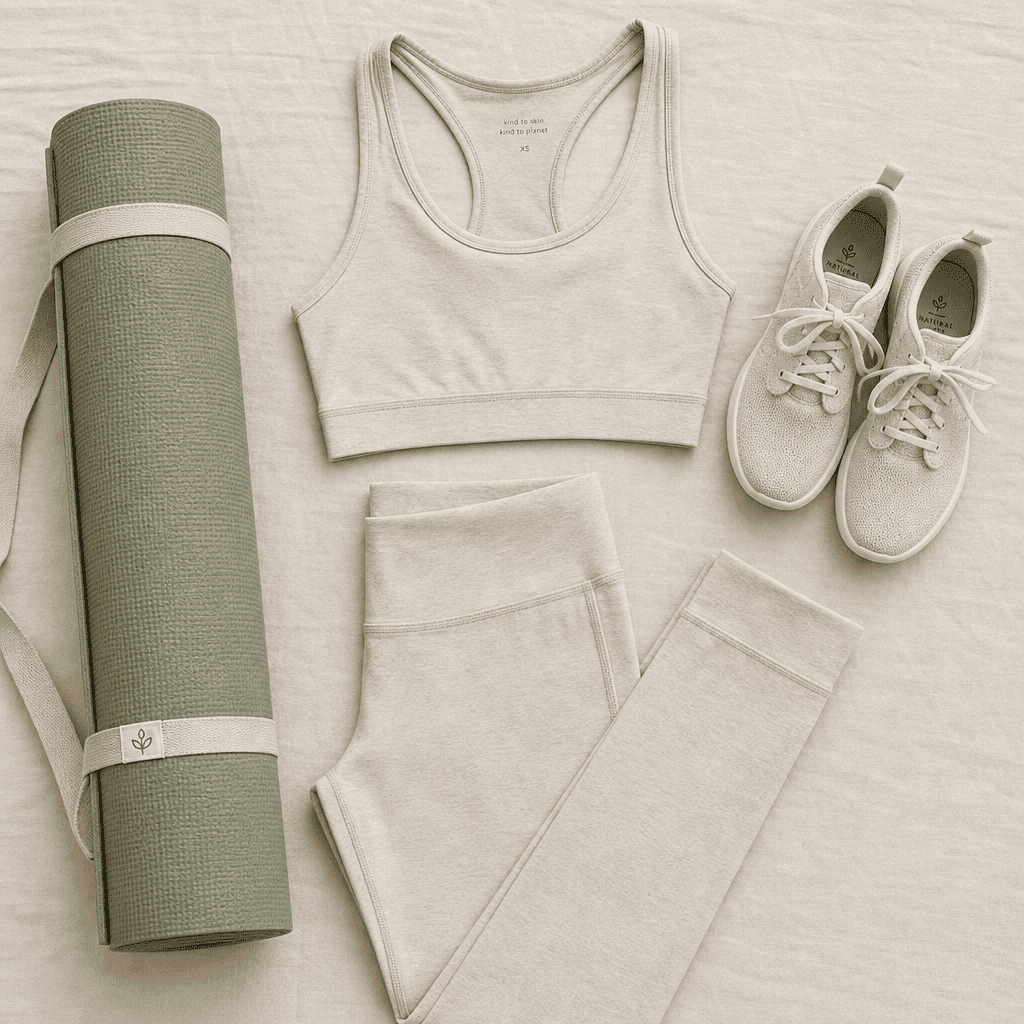
Cotton activewear is a smart choice when the workout calls for softness, breathability, and all-day wearability rather than extreme compression or rapid-dry technical performance. Cotton fibers absorb moisture, feel gentle against the skin, and allow air to move through the fabric, which is why many people reach for cotton-rich pieces for yoga, walking, Pilates, stretching, strength training, travel days, and casual athleisure. The result is comfortable workout clothes that do not feel overly slick, plastic-like, or restrictive.
The main cotton activewear benefits are easiest to feel in real life. A cotton tee can move from a morning walk to errands without feeling like a race shirt. A cotton-blend legging can offer softness for low-impact training while still using a small amount of stretch fiber for shape recovery. For people who dislike the clingy feel of polyester or nylon, cotton can make activewear feel more natural and familiar.
Cotton is not perfect for every sport. If you are running long distances in heavy rain or doing high-sweat interval training, a technical synthetic or engineered blend may dry faster. But for the growing category of hybrid fitness and lifestyle dressing, cotton-rich activewear often gives shoppers the comfort they actually want to wear repeatedly.
Breathability, comfort, and skin-friendly performance
Breathability is one of the biggest reasons shoppers search for cotton activewear. Airflow matters because heat and trapped moisture can turn an otherwise good workout into a distracting experience. Cotton’s natural handfeel also helps reduce the scratchy or plasticky sensation some wearers associate with synthetic performance fabrics.
For sensitive skin, fabric choice can be especially personal. Organic cotton activewear may appeal to shoppers who want garments made from fibers grown under organic production systems and processed with stricter chemical controls. In the U.S., the USDA notes that textiles meeting the Global Organic Textile Standard may be sold as organic, and GOTS Version 8.0 requires organic fiber certification plus environmental and social criteria through processing. (ams.usda.gov)
The practical takeaway is simple: do not judge activewear only by whether it says ‘performance.’ Look at the fiber content, knit structure, finishes, and certification claims. A soft cotton jersey, rib, French terry, or cotton-rich interlock may be more comfortable for daily movement than a high-compression synthetic that was designed for a very different use case.
Organic cotton and sustainability in activewear
Organic cotton is often discussed as a more sustainable alternative because it avoids certain inputs used in conventional cotton farming and can support better soil-focused growing practices. Environmental impact is never determined by fiber alone; it depends on farming, irrigation, processing, dyeing, logistics, garment life, and end-of-life choices. Textile Exchange’s cotton life cycle work emphasizes that impacts vary by cultivation system and are influenced by factors such as fertilizer, water, irrigation, and energy use. (textileexchange.org)
Still, organic cotton has clear sustainability advantages when it is genuinely certified and responsibly processed. A Textile Exchange quick guide, based on earlier life cycle assessment work, reported lower global warming potential and blue water consumption for organic cotton compared with chemically grown cotton in that analysis. Those figures should be read as context rather than a universal guarantee, but they help explain why certified organic cotton remains important in sustainable apparel conversations. (textileexchange.org)
Cotton also avoids one issue tied to synthetic activewear: plastic microfiber shedding. The National Park Service describes laundering synthetic fabrics as a substantial source of microfibers entering the environment, and EPA materials identify synthetic textiles as a source of secondary microplastics. Natural fibers can still shed, but cotton fibers are not plastic. (nps.gov)
Cotton versus synthetic workout fabrics
The best fabric depends on the activity, climate, and wearer preference. Synthetic fabrics such as polyester and nylon are common in performance activewear because they can be lightweight, stretchy, smooth, and quick drying. Cotton stands out when comfort, breathability, and natural fiber content are more important than maximum moisture-wicking speed.
| Decision factor | Cotton-rich activewear | Synthetic activewear |
|---|---|---|
| Feel on skin | Soft, familiar, breathable | Smooth, slick, sometimes clingy |
| Best use cases | Yoga, walking, lounging, studio classes, everyday athleisure | Running, cycling, high-sweat training, compression gear |
| Moisture behavior | Absorbs sweat and may feel damp if saturated | Often engineered to move moisture and dry quickly |
| Odor experience | Often preferred by people who dislike odor retention in synthetics | Can hold odor depending on fiber and finish |
| Environmental concern | Farming and processing impacts must be managed | Plastic microfiber shedding is a key concern |
| End-of-life profile | Natural fiber, especially better with minimal synthetic blending | Petroleum-based fibers persist longer in the environment |
For many wardrobes, the answer is not ‘all cotton’ or ‘all synthetic.’ A cotton-rich top may be ideal for daily movement, while a technical synthetic shell may still be useful for outdoor endurance sports. The goal is to choose the right garment for the job instead of assuming every workout requires the same fabric.
United States activewear trends are becoming more comfort-driven
Across the United States, activewear is no longer limited to gyms. It has become everyday clothing for school drop-offs, remote work, travel, studio workouts, weekend errands, and relaxed offices. That shift favors comfortable workout clothes that look polished enough to wear outside a fitness setting.
Cotton Incorporated’s activewear research has repeatedly found strong consumer interest in cotton and performance features, including moisture management and odor resistance. Its 2025 U.S. activewear survey tracks features shoppers look for when buying athletic apparel, showing why fabric comfort and performance language both matter in the American market. (cottoninc.com)
Regional preferences also shape demand. In coastal wellness markets such as California, the Pacific Northwest, and parts of the Northeast, shoppers often respond to minimalist styling, organic materials, and versatile studio-to-street pieces. In the South and Southwest, warm-weather comfort and breathability become especially important. In colder northern states, cotton fleece, terry, and layered cotton blends can support walking, warmups, and recovery wear.
Climate considerations across U.S. regions
The United States has wide climate variation, so breathable activewear should not be designed with only one region in mind. NOAA’s climate normal explanations show broad shifts in U.S. temperature and precipitation patterns, including wetter conditions in the Southeast and North Central regions and generally drier conditions in the Southwest across the 199132020 normals. (noaa.gov)
In the humid Southeast and Gulf Coast, cotton activewear should prioritize light weights, looser fits, and breathable knits. Sweat evaporation is harder in humid air, so heavy cotton may feel damp during intense sessions. Tank tops, relaxed tees, shorts, and cotton-rich studio sets are better suited than dense fleece for warm months.
In the arid Southwest, breathability still matters, but the dry climate can make cotton feel comfortable for walking, hiking breaks, stretching, and casual outdoor wear. Sun exposure and heat make lighter colors, easy layering, and soft handfeel important. In the Northeast, Midwest, and Mountain West, seasonality drives demand for layers: cotton base tees, midweight sweatshirts, joggers, and recovery pieces that work before and after training.
Sourcing, manufacturing, and logistics for the U.S. market
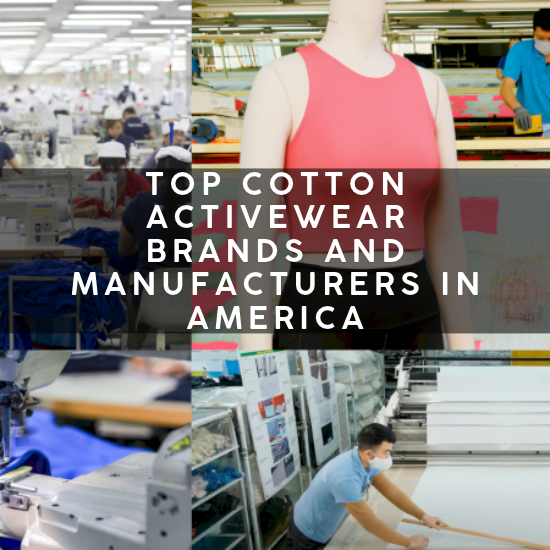
For U.S. brands, cotton activewear decisions begin long before a garment reaches a customer. Sourcing starts with fiber origin, yarn quality, knit construction, dyeing standards, certifications, and supplier transparency. The USDA Economic Research Service notes that Texas has contributed roughly 40 percent of U.S. cotton production in recent years, and U.S. cotton is graded through USDA classing offices that provide quality characteristics used in marketing cotton. (ers.usda.gov)
Domestic sourcing can shorten communication loops and may support ‘Made in USA’ positioning when the full production chain qualifies. However, many activewear brands still rely on international manufacturing for knitting, dyeing, seamless production, specialized trims, and cost control. The right choice depends on minimum order quantities, speed to market, margin goals, compliance needs, and whether the product requires advanced stretch or seamless machinery.
When evaluating a manufacturer, brands should request more than a catalog. Ask for fabric composition, GSM, shrinkage expectations, colorfastness testing, size tolerances, certification documents, and packaging options. If organic cotton is part of the promise, verify certificates at the transaction and supplier level rather than relying only on marketing copy.
How Ziyang fits into activewear manufacturing conversations
Ziyang is an activewear manufacturing brand based in Yiwu City, China. For U.S. brands, the practical question is whether a supplier can document materials, handle cotton-rich development, meet U.S. labeling expectations, communicate clearly on lead times, and support consistent quality across production runs.
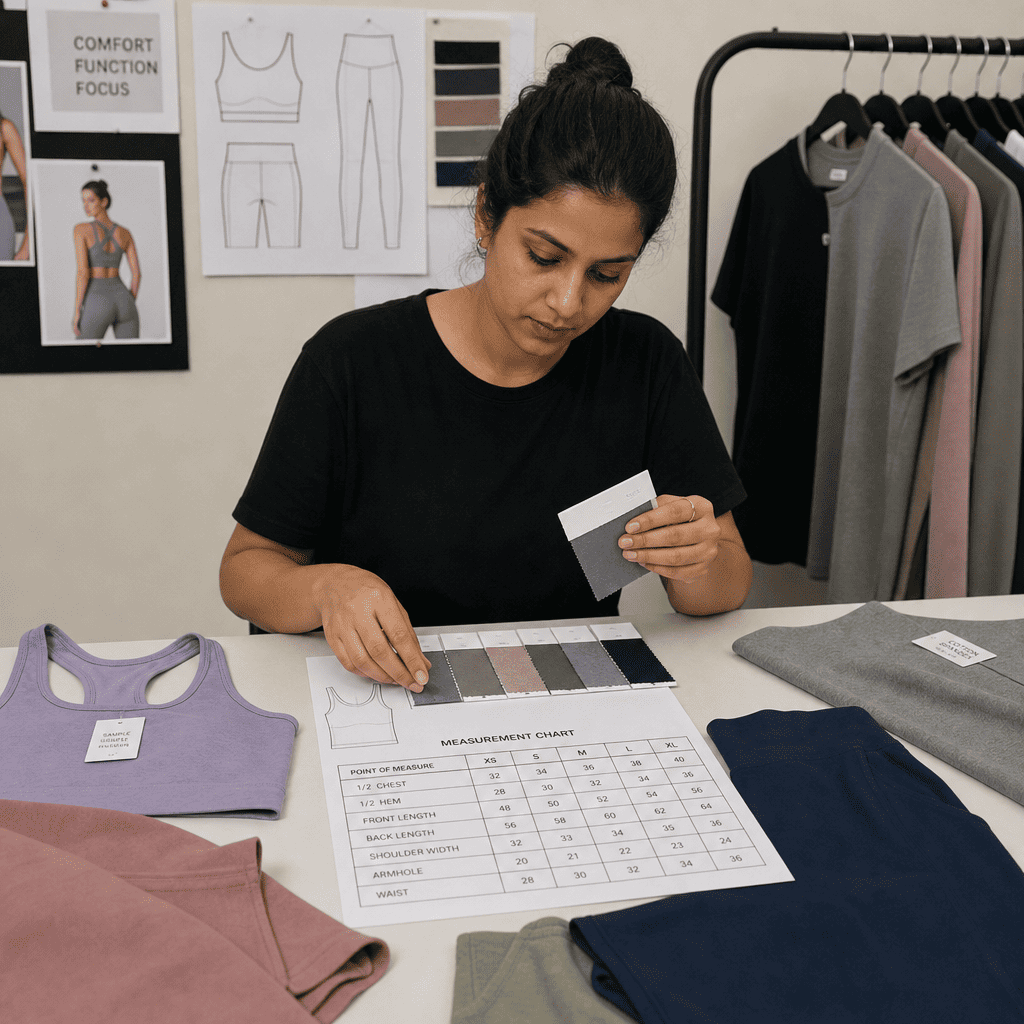
A practical sourcing process should include sample testing, wash testing, fit checks on multiple body types, packaging review, and pre-shipment inspection. If the garment is positioned as organic cotton activewear, the supplier should be able to explain where the cotton comes from, which standard applies, and how certification flows through the supply chain.
Choosing better cotton activewear
Shoppers and brands can use the same basic checklist to separate strong products from vague sustainability claims. Cotton activewear should feel good, perform for its intended activity, and be supported by clear information.
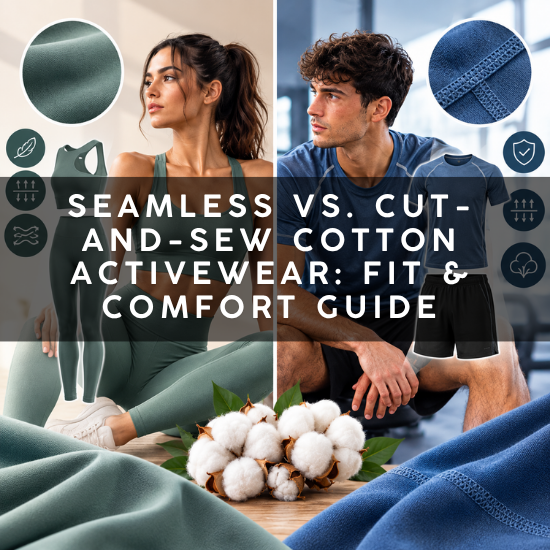
- Check the fiber blend. For softness and breathability, look for cotton-rich fabrics. For leggings or fitted bras, a small percentage of elastane or similar stretch fiber can improve recovery.
- Match fabric weight to activity. Lightweight jersey works for warm weather and layering; French terry and fleece are better for cool-weather warmups and recovery.
- Look for credible certification. GOTS is especially relevant for organic textiles in the U.S. market, but claims should be specific and verifiable.
- Avoid vague green language. Phrases like ‘eco-friendly’ or ‘natural’ are weak unless the brand explains fiber content, processing, and certification.
- Read care instructions. Durable cotton activewear should survive repeated washing, but heat can increase shrinkage and wear.
- Think by activity. Cotton-rich pieces excel for low- to moderate-impact workouts, lounging, travel, and daily movement.
Care habits that extend garment life
The most sustainable garment is often the one you wear for years. Cotton activewear lasts longer when it is washed with similar colors, turned inside out, and cleaned in cool water with a mild detergent. Avoiding excessive dryer heat helps reduce shrinkage, fading, and fiber stress.
Air drying is especially useful for cotton-rich leggings, bras, and fitted tops that include stretch fibers. Heat can weaken elastic recovery over time, so a lower-temperature routine protects both fit and comfort. Washing only when needed also saves water and energy while preserving the garment’s surface.
Q&A: Ziyang activewear manufacturing for the U.S. market
Do you offer OEM and ODM for cotton activewear? Yes. Ziyang supports both OEM (you provide the tech pack and specs; we manufacture to your requirements) and ODM (we propose or adapt designs and develop the product with you). For cotton-rich programs, development typically includes fabric selection (e.g., cotton jersey, rib, interlock, French terry), GSM confirmation, shrinkage control, color lab dips, and wash-wear testing aligned with the U.S. customer experience.
Can you make cotton blends, not just 100% cotton? Yes. Many U.S. best-sellers use cotton-rich blends that add elastane (or similar stretch fibers) for recovery, opacity, and fit stability. The right blend depends on the end use (studio, athleisure, warmups, or training), target region and season, and required handfeel.
What should U.S. brands ask a China-based manufacturer before ordering? Ask for the fabric composition and test data (shrinkage, colorfastness, pilling, and dimensional stability), size tolerances, labeling support for U.S. fiber-content/care labeling, packaging options, production lead times, and quality-control checkpoints. It is also smart to align early on logistics terms and delivery timelines for U.S. destinations (for example, West Coast vs. East Coast fulfillment).
How do you support U.S. market needs if production is in China? U.S. success is often determined by repeatable fit, consistent fabric lots, reliable lead times, and clear documentation for wholesale and DTC operations. The best approach is a structured sampling phase, pre-production approval, and pre-shipment inspection, with planning that accounts for U.S. seasonality and regional climate demand.
The takeaway
Cotton activewear works because it meets people where they actually live: moving, commuting, stretching, relaxing, and choosing clothes that feel good beyond the gym. The strongest pieces combine breathable activewear comfort with thoughtful construction, credible sourcing, and realistic performance expectations.
For U.S. shoppers, cotton-rich workout clothing can be a smart alternative to synthetic-heavy wardrobes. For brands, it is an opportunity to design comfortable workout clothes that respect regional climates, supply-chain transparency, and the growing demand for natural-feeling activewear with a clearer sustainability story.