Cotton has become a favorite choice for people who want sports bras that feel soft, breathable, and closer to the skin in every sense. For yoga, walking, Pilates, lounging, light strength training, and daily movement, a well-designed cotton sports bra can offer the comfort of a natural fiber while supporting a lower-tox lifestyle. For activewear manufacturing companies like ZIYANG, cotton also opens the door to more responsible product development for U.S. and global customers looking for sustainable sports bras that are practical, wearable, and easier to trust.
Why is cotton such a good material for a sports bra?
Cotton works well in sports bras because it is naturally soft, breathable, and familiar against the skin. Unlike many slick synthetic fabrics, cotton has a gentle hand feel that can reduce the “plastic” sensation some people dislike during movement, especially around the underband, straps, and bust. When a material sports bra is worn close to the body for hours, those small comfort details matter.
A cotton sports bra is especially appealing for people with sensitive skin, postpartum bodies, or anyone trying to avoid unnecessary chemical finishes. The fabric allows air to move more naturally than many dense synthetic knits, which can make everyday wear feel less stuffy. While cotton is not perfect for every workout, it is an excellent starting point for comfortable bras designed around real life: school runs, studio classes, home workouts, travel, walking trails, and rest days.
For shoppers in the United States, climate also matters. A cotton workout bra may feel different in humid Florida than it does in Colorado’s dry air, but in both settings, the soft natural fiber can be more pleasant for low-to-medium activity than a tight, heat-trapping synthetic bra. That is why cotton workout bras remain popular even as performance fabrics keep evolving.
Cotton, comfort, and the case for natural fibers
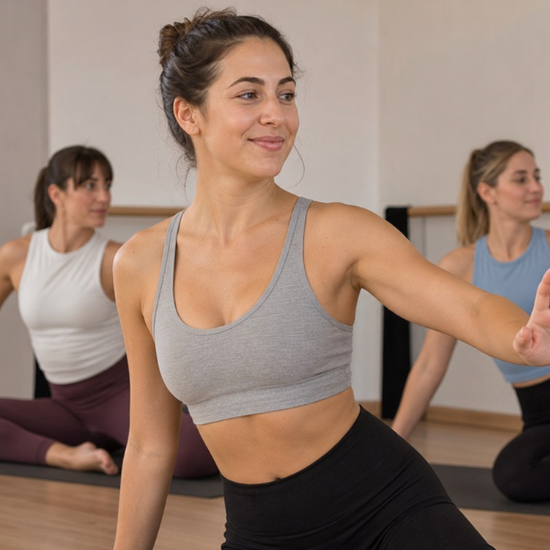
The best sports bras do more than hold everything in place. They also help the wearer move without distraction. Cotton’s biggest advantage is comfort: it feels smooth, flexible, and breathable without relying on a highly engineered finish. For many people, that makes natural fiber sports bras easier to wear for long stretches.
A natural fiber sports bra can also feel less irritating around common friction points. Seams, elastic channels, and racerback panels often become uncomfortable when sweat, heat, and pressure build up. Cotton does not remove the need for good pattern engineering, but it gives designers a softer base fabric to work with.
This is where activewear manufacturing experience matters. ZIYANG is engaged in activewear manufacturing, including the development of bras, leggings, tops, and related performance garments. For a cotton athletic bra to work well, the fabric, elastic, stitching, strap width, and size grading all need to support the same goal: comfort that lasts beyond the fitting room.
A quick comfort checklist
When comparing cotton sports bras for women, look for details that improve daily wear:
- Soft inner fabric: The inside should feel smooth, not scratchy or overly textured.
- Stable underband: A wide underband often feels more secure than a narrow one, especially for fuller busts.
- Balanced stretch: A little recovery helps the bra keep its shape after washing and wearing.
- Breathable coverage: More fabric is not always more support; smart panel placement matters.
- Flat or protected seams: Seam comfort is especially important for sensitive skin.
- Appropriate neckline: Higher coverage may suit studio movement, while lower coverage may feel better for lounging.
A comfortable bra does not need to feel loose. It should feel gently secure without pinching, rolling, or forcing the shoulders to carry all the weight.
Organic cotton brings health-conscious appeal
An organic cotton sports bra is made for shoppers who want more than softness. They are often looking for a non toxic sports bra that aligns with their values around skin contact, farming practices, and reduced chemical exposure. Organic sports bras are especially attractive to people who read labels closely and prefer simpler material stories.
For brands and buyers, certifications can help clarify claims. A recognized organic textile certification can support confidence that the cotton was grown and processed under defined standards, with restrictions on many harmful substances. This is important because “natural” and “clean” are broad marketing words, while certification gives customers a clearer framework for evaluating non toxic sports bras.
Shoppers often search for bpa free sports bras or a bpa free sports bra because they want reassurance about what touches their skin. Cotton itself is not the same thing as a full product safety guarantee; trims, dyes, elastics, pads, prints, and finishes also matter. That is why the best non toxic sports bra is not only about the main fabric. It is about the entire garment, from fiber selection to dyeing, sewing, labeling, and packaging.
What “100% cotton” usually means in real life
Searches for 100 cotton sports bras, a 100 cotton sports bra, a 100 percent cotton sports bra, or a 100 organic cotton sports bra are common because shoppers want a simple answer. In practice, true all-cotton bras are possible, but most sports bras need some stretch and recovery to stay in place. That stretch may come from elastane, natural rubber, or elastic components hidden in the band or straps.
This does not make the bra bad. It simply means the product description should be transparent. If the body fabric is cotton but the band includes elastic, say so clearly. If a style is marketed as 100 organic cotton sports bra, customers should be able to understand whether that refers to the main fabric, lining, or entire garment construction.
For activewear brands, honesty is a competitive advantage. Customers who care about sustainable sports bra options usually appreciate clear fiber content more than vague perfection claims.
Cotton versus synthetic sports bras
Synthetic sports bras often dominate high-performance categories because polyester, nylon, and spandex can be engineered for compression, stretch recovery, and moisture management. That does not mean they are always the better choice. It means they solve a different problem.
Cotton is ideal when the priority is softness, breathability, lower irritation, and a more natural feel. Synthetics may perform better when the priority is maximum bounce control, rapid drying, and high-sweat endurance. The right choice depends on the wearer, activity, climate, and support need.
| Feature | Cotton sports bras | Synthetic sports bras |
|---|---|---|
| Skin feel | Soft, familiar, gentle | Smooth, slick, sometimes less natural |
| Breathability | Naturally breathable | Depends on knit and finish |
| Drying speed | Slower than many synthetics | Often faster |
| Support potential | Best for low to medium impact unless engineered carefully | Strong for medium to high impact designs |
| Sustainability appeal | Strong when organic, durable, and responsibly made | Varies by fiber, recycled content, and processing |
| Chemical concerns | Still depends on dyes, elastics, and trims | May raise more questions around finishes and additives |
For many wearers, the ideal wardrobe includes both. A cotton workout bra can be the everyday favorite, while a more structured synthetic bra may be saved for running or high-intensity training.
Can a cotton sports bra support high-impact workouts?
A cotton sports bra can support some active movement, but cotton is generally better suited to low and medium impact unless the design includes strong engineering. High-impact support depends on compression, encapsulation, stretch recovery, strap stability, and band strength. Cotton can be part of that system, but it rarely does the job alone as well as technical synthetics.
This is why searches such as cotton sports bra high impact and organic cotton sports bra high impact often lead to mixed results. Shoppers want natural fibers, but they also want bounce control for running, HIIT, dance cardio, or court sports. The challenge is that cotton stretches and absorbs moisture differently than synthetic performance fabrics, so a high-impact cotton design must be carefully built.
A more realistic expectation is this: cotton athletic bras are excellent for walking, barre, yoga, stretching, Pilates, light cycling, strength training, and everyday wear. For high-impact activity, especially for larger cup sizes, look for reinforced panels, a strong underband, adjustable straps, fuller coverage, and possibly a hybrid fabric. A cotton-rich blend may be a practical compromise when pure cotton cannot deliver the needed hold.
Choosing support by activity
Use this simple guide when selecting cotton workout bras:
- Lounging and daily wear: Choose soft pull-on cotton bras with gentle compression and minimal seams.
- Yoga, Pilates, and stretching: Look for a secure underband, flexible straps, and coverage that stays in place when bending.
- Walking and light strength training: Choose a firmer band, racerback support, and medium compression.
- Cycling, dance, or moderate gym sessions: Consider cotton-rich blends with stronger recovery and adjustable features.
- Running and HIIT: Be cautious with 100 cotton sports bras. A hybrid or engineered high-impact bra may be safer and more supportive.
Support is not just about cup size. It is also about breast shape, torso length, shoulder slope, band fit, and personal comfort. A bra that feels perfect for one person may not work for another, even in the same size.
Design details that make cotton sports bras work harder
Cotton is only one part of the garment. The pattern and construction determine whether the bra feels supportive or flimsy. For a womens cotton sports bra, a few design choices can make a big difference.
An organic racerback bra, for example, can distribute tension across the upper back and help straps stay in place during movement. Racerback styles are popular for studio workouts because they reduce strap slippage and work well under tanks. However, some people find racerbacks tight around the neck or shoulders, so adjustability is still valuable.
A cotton padded sports bra can add modesty, shaping, and light coverage, but padding is one of the harder parts to make fully natural. Many molded pads are synthetic, and organic pad options may be limited. Removable pads can be useful because they let the wearer choose between shape and simplicity, and they make washing easier.
Features worth prioritizing
For the best cotton sports bra experience, pay attention to:
- Band structure: The band should anchor the bra without rolling up.
- Strap width: Wider straps can reduce pressure on the shoulders.
- Lining: A cotton lining can improve comfort even when the outer fabric includes a blend.
- Cup construction: Separate cup shaping may help fuller busts more than simple compression.
- Back style: Racerback designs can add stability; scoop backs may feel easier for daily wear.
- Fabric weight: Lightweight cotton feels airy, while heavier cotton may feel more secure but warmer.
- Label placement: Printed or tear-away labels can reduce irritation.
These details are especially important for activewear manufacturing teams. At ZIYANG, product development decisions such as fabric selection, band tension, and seam placement can help turn cotton from a basic fabric into a polished activewear product.
Sustainability is more than a fabric choice
Cotton has strong sustainability appeal because it is a natural fiber and can be biodegradable under the right conditions. Organic cotton can strengthen that appeal when it is grown and processed responsibly. For consumers looking for sustainable sports bras, this matters because the bra is not just a workout item; it is part of a broader lifestyle choice.
Still, a sustainable sports bra is not automatically sustainable just because it contains cotton. Durability, dye choices, packaging, factory practices, shipping distance, and how often the garment is worn all play a role. A bra that lasts through many washes is often a better choice than one that looks “eco” but loses shape quickly.
For U.S. brands sourcing activewear, this is a practical point. Customers in cities such as Los Angeles, New York, Austin, Seattle, Chicago, and Atlanta often expect both comfort and credible environmental messaging. They may compare organic sports bra options, read fiber labels, and look for cleaner production stories before buying.
How should you choose the right cotton sports bra?
Choose the right cotton sports bra by matching the bra to your activity, support needs, skin sensitivity, and material preferences. If you want everyday comfort, prioritize softness and fit. If you want workout support, prioritize the band, straps, cup structure, and fabric recovery before focusing on style.
Start with the activity. A gentle cotton sports bra may be perfect for errands, travel, or sleep, but it may not hold up through sprint intervals. An organic training bra can be a smart option for teens or beginners because it offers breathable comfort without an overly technical feel. For adults, the same design logic applies: choose enough structure for the movement you actually do.
Next, think about sensitivity. If your skin reacts to rough seams, tight elastic, or synthetic linings, a non toxic sports bra with a cotton-rich inner layer may feel better. If you are postpartum, nursing, or dealing with body changes, cotton can offer softness during a time when comfort is non-negotiable. Look for easy-on designs, flexible sizing, and gentle underbands rather than overly compressive fits.
Finally, decide how strict you want to be about fibers. Some shoppers want 100 cotton sports bras and are willing to accept lighter support. Others prefer cotton-rich blends because they want more stretch and shape retention. Neither approach is wrong; the best option is the one that honestly matches your values and movement.
A practical buying checklist
Before choosing a cotton sports bra, ask:
- Does the product list the exact fiber content for the body, lining, band, and padding?
- Is the bra designed for low, medium, or high-impact movement?
- Are the straps adjustable or wide enough for your body?
- Does the underband feel secure without digging in?
- Is the inside soft enough for sensitive skin?
- Are there certifications or testing claims that support non-toxic positioning?
- Can the bra be washed easily without special care beyond cold water and air drying?
- Does the return policy allow you to test fit at home?
If a listing uses phrases like best cotton sports bra or best non toxic sports bra but gives little information about construction, be cautious. Strong claims should be backed by clear details.
Care habits that protect fit and softness
Cotton sports bras can last longer when they are washed with care. Cotton may shrink, fade, or lose shape if exposed to harsh washing, high heat, or aggressive detergents. The simplest routine is often the best: cold water, gentle cycle, mild detergent, and air drying.
Avoid bleach unless the care label specifically allows it. Bleach can weaken fibers and affect elastic, which is a problem because the elastic is what helps the bra stay supportive. The dryer is also risky because heat can shrink cotton and damage stretch components.
A mesh laundry bag is useful for protecting straps and pads from twisting. If the bra includes removable pads, take them out before washing and reshape them while damp. Rotate between multiple cotton sports bras rather than wearing the same one repeatedly; giving elastic time to recover can help preserve fit.
Simple care routine
For most cotton workout bras:
- Turn the bra inside out before washing.
- Use cold water and a gentle cycle.
- Wash with similar colors and lightweight garments.
- Skip fabric softener if it leaves residue.
- Remove pads before washing when possible.
- Lay flat or hang to air dry.
- Store flat or folded, not crushed under heavy clothing.
Good care is not only about appearance. It protects the support system of the bra, making each wear more comfortable and reducing the need to replace it too soon.
What activewear brands should know about cotton sports bras
For brands, cotton sports bras sit at the intersection of comfort, wellness, and sustainability. They appeal to customers who are tired of overly synthetic activewear and want options that feel more natural. But success depends on being honest about performance limits.
If a brand promises an organic cotton sports bra high impact design, the garment must be engineered for that claim. That may require a cotton-rich outer fabric, reinforced lining, strong elastic, adjustable straps, and careful fit testing across sizes. If the bra is better for yoga and walking, it should be marketed that way instead of being pushed into the wrong category.
ZIYANG’s role in activewear manufacturing is relevant here because manufacturing partners help translate brand ideas into products that can actually be worn, washed, and reordered. From fabric sourcing to sample development, a knowledgeable manufacturing team can help brands balance natural fibers with performance requirements.
For private label or custom collections, cotton can support several product directions:
- Wellness-focused basics: Soft bras for daily comfort, travel, and light movement.
- Studio activewear: Organic racerback bra styles for yoga, Pilates, and barre.
- Teen and beginner lines: Organic training bra options with simple coverage and gentle support.
- Sensitive-skin collections: Non toxic sports bras with cotton linings and low-irritation construction.
- Eco-conscious capsules: Sustainable sports bras using organic cotton, thoughtful packaging, and clear labeling.
The opportunity is not to make cotton act exactly like polyester or nylon. The opportunity is to design around cotton’s strengths: softness, breathability, familiarity, and a cleaner material story.
The takeaway
Cotton is ideal for sports bras when comfort, breathability, and natural fiber appeal matter most. It is especially strong for low-to-medium impact activities, everyday wear, sensitive skin, and shoppers who want organic sports bras with a more transparent material story. For high-impact training, cotton can still play a role, but it needs careful design and may work best as part of a cotton-rich or hybrid construction.
Whether you are buying one bra for personal use or developing a full activewear line, the smartest choice is the one that matches real movement, real bodies, and real care habits. A cotton sports bra should feel good, fit honestly, and last through repeated wear. That is where thoughtful design, clear labeling, and experienced activewear manufacturing from companies like ZIYANG can make cotton feel not just natural, but genuinely performance-ready for everyday life.